https://www.ahbitt.com/the-ultimate-guide-to-football-basketball-culture-skills-and-impact/
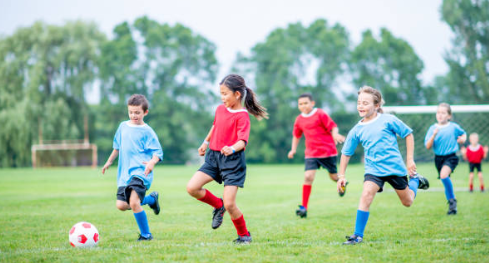
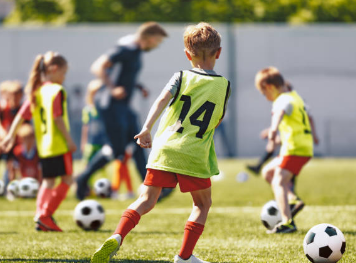
During the critical stage of adolescent growth and development, participating in sports activities is crucial for improving their physical fitness. Football, as a globally popular sport, has a particularly significant impact on the physical fitness of young people, helping them grow stronger in multiple ways.
Enhance muscle strength and bone development
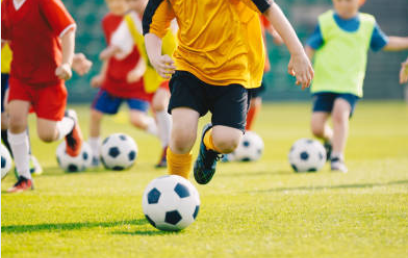
Football requires teenagers to frequently run, jump, make sudden stops, and turn. During this process, muscles in various parts of the body were fully exercised. For example, the quadriceps muscle on the front of the thigh gradually becomes stronger through frequent pedaling, which not only helps improve the running speed of teenagers, but also makes their steps more steady and powerful in daily activities. During multiple acceleration and braking processes, the calf muscles also gain strength, making teenagers more explosive when jumping. At the same time, the heading movement in football can effectively exercise the neck muscles and enhance the neck’s support ability.
For bone development, teenagers are in a period of rapid bone growth. During football, moderate pressure on the body can stimulate bone growth plates, promote bone growth, and increase bone density. Teenagers who frequently participate in football often have higher bone density in their leg bones, spine, and other areas compared to their peers, which lays a solid foundation for their bone health in adulthood and reduces the risk of future bone diseases such as osteoporosis.
Enhance cardiovascular function and endurance
A football game lasts for a long time, during which teenagers need to maintain high-intensity exercise. This is a great test for their cardiovascular function and also an excellent opportunity for exercise. During the competition, the heart rate of teenagers will significantly increase with the intensity of exercise, and the heart needs to work harder to deliver oxygen rich blood to various parts of the body. Long term participation in football can thicken the myocardium of the heart, enhance its contraction ability, increase stroke output, and thus improve the pumping function of the heart.
At the same time, the lungs are constantly exchanging gases, and as the intensity of exercise increases, the respiratory rate and depth also increase, which helps to improve the ventilation and gas exchange efficiency of the lungs. Over time, the lung capacity of adolescents significantly improves, enabling them to more efficiently absorb and utilize oxygen, providing their bodies with sufficient energy. This good cardiovascular function not only plays a role on the football field, but also enables teenagers to avoid fatigue and significantly enhance their endurance when facing high-intensity activities in daily learning and life.
Improve body coordination and balance ability
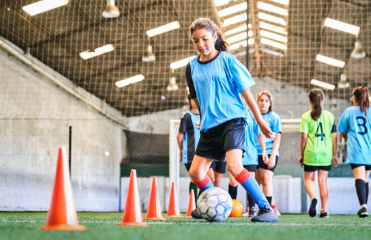
Football involves the coordinated operation of multiple parts of the body. During dribbling, teenagers need to flexibly control the direction of the ball’s movement with their feet, while maintaining balance and making corresponding adjustments based on the ball’s position and the opponent’s situation. This requires the brain to quickly coordinate the muscles of various parts of the body, achieving a high degree of coordination between the eyes, hands, feet, and body. For example, when performing a directional pass, it is not only necessary for the feet to accurately make a directional touch, but also for the body’s center of gravity to quickly shift and the arms to swing to maintain balance. The entire process poses a great challenge to body coordination.
When competing for the top header, teenagers need to accurately determine the landing point of the ball, stretch and jump their bodies in the air, and maintain balance to avoid falling due to losing balance. Through repeated practice and participation in football matches, teenagers’ physical coordination and balance abilities have been continuously exercised and improved. The improvement of this ability has a positive impact on their basic movements such as walking, running, and going up and down stairs in daily life, making their movements more agile and coordinated, and reducing the occurrence of unexpected falls and other situations.
Promote metabolism and body flexibility
Football is a high-intensity aerobic exercise that significantly increases the metabolic rate of teenagers during the process. The body needs to consume more energy to maintain exercise, which accelerates metabolism, promotes fat breakdown, and releases energy. At the same time, exercise can promote blood circulation in various organs of the body, provide sufficient nutrients for body cells, and contribute to the growth, development, and repair of the body.
In addition, various movements in football, such as turning, bending, stretching, etc., can fully activate various joints of the body and enhance joint flexibility. When teenagers perform these movements, the muscles and ligaments around the joints are stretched and exercised, and the range of motion of the joints gradually increases. For example, when performing shooting movements, the leg joints need to undergo significant flexion and extension, which not only exercises the leg muscles but also improves the flexibility of joints such as the knee and hip joints. Good physical flexibility can make it easier for teenagers to engage in other sports activities or daily movements, reducing sports injuries caused by joint stiffness.
Football has a comprehensive impact on improving the physical fitness of young people. Whether it’s muscle strength, cardiovascular function, or body coordination and flexibility, they can all be fully exercised and developed in football. Therefore, encouraging young people to actively participate in football is of great significance for their physical health and comprehensive development, laying a solid physical foundation for their future life and development
https://www.ahbitt.com/the-ultimate-guide-to-football-basketball-culture-skills-and-impact/